
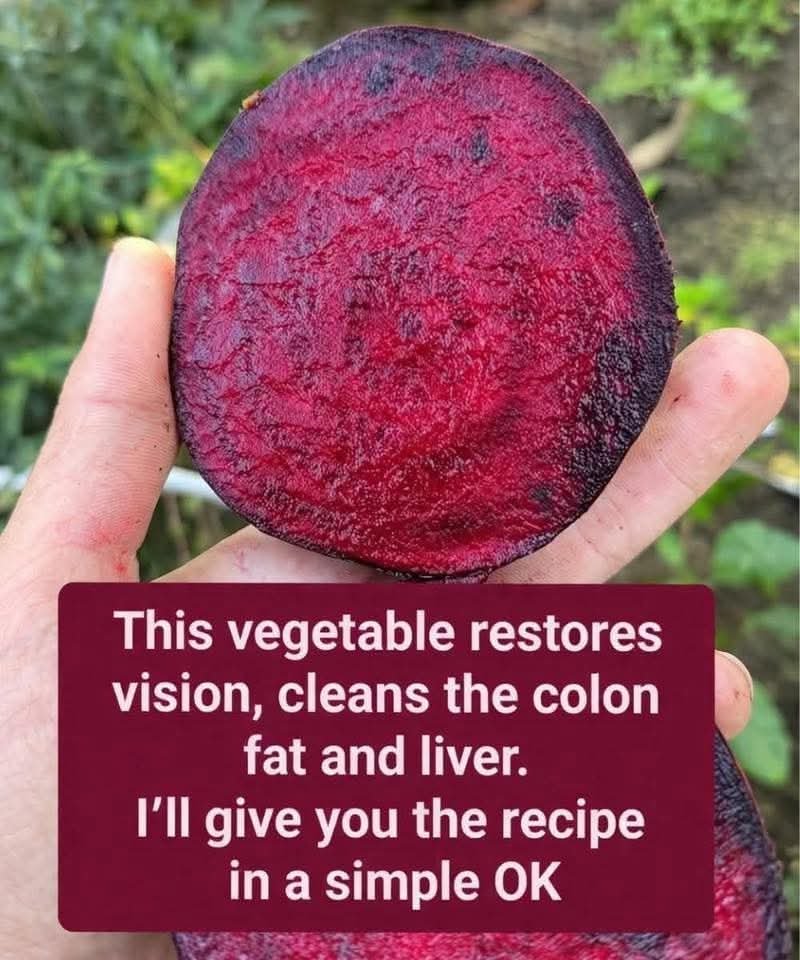
# Search Results for: Beetroot for Eye Health: The Powerful Superfood Your Vision Needs
In the quest for a healthy diet and lifestyle, superfoods have gained significant attention for their myriad health benefits. Among these, beetroot stands out not only for its vibrant color but also for its impressive nutritional profile. This article explores how beetroot supports eye health, making it a crucial addition to your diet.
## What is Beetroot?
Beetroot, or simply beets, is a root vegetable that comes in several varieties, the most common being the red beet. They are packed with essential nutrients, including vitamins, minerals, and antioxidants. Beetroot is low in calories yet high in fiber, making it an excellent choice for those looking to maintain a healthy weight while nourishing their bodies.
### Nutritional Profile of Beetroot
Before diving into its specific benefits for eye health, let’s take a closer look at what makes beetroot a superfood:
– **Vitamins**: Beetroot is rich in Vitamin C, which is essential for immune function and skin health.
– **Minerals**: Including potassium, manganese, and magnesium, beetroot supports numerous bodily functions.
– **Antioxidants**: Particularly betalains, these compounds help combat oxidative stress and reduce inflammation.
– **Dietary Fiber**: Promotes digestive health and can help regulate blood sugar levels.
## How Beetroot Benefits Eye Health
### 1. Rich in Antioxidants
Antioxidants play a vital role in protecting your eyes from damage caused by free radicals. Beetroot is a powerhouse of antioxidants such as lutein and zeaxanthin. These compounds are particularly beneficial for eye health because they filter harmful blue light and protect the retina. Including beetroot in your diet can help lower the risk of age-related macular degeneration, a leading cause of vision loss.
### 2. Supports Blood Flow
Healthy blood circulation is crucial for optimal eye health. Beetroot is known to enhance blood flow due to its high nitrate content. Nitrates convert to nitric oxide, which relaxes blood vessels and improves circulation. This increased blood flow not only nourishes your eyes but also helps prevent conditions that could impair vision, such as diabetic retinopathy.
### 3. Reduces Inflammation
Chronic inflammation can lead to serious eye ailments. Beetroot possesses anti-inflammatory properties that may help reduce inflammation in the body, including the eyes. Consuming foods rich in beetroot can be beneficial in alleviating the symptoms of inflammatory eye diseases.
### 4. Protects Against Eye Conditions
Including beetroot in your diet may help protect your eyes from various conditions. For instance, its rich vitamin A content is essential for maintaining healthy vision and preventing night blindness. Furthermore, the folate in beetroot contributes to the overall health of your eyes by supporting retinal function.
## How to Incorporate Beetroot into Your Diet
Now that you know the benefits of beetroot for eye health, you might be wondering how to incorporate it into your daily meals. Here are some delicious and easy ways to enjoy beetroot:
### 1. Beetroot Juice
One of the simplest ways to consume beetroot is by making juice. Combine it with other fruits and vegetables like carrots or apples for a nutritious drink. Beetroot juice is rich in nutrients and offers a concentrated dose of its health benefits.
### 2. Roasted Beetroot Salad
Roasting beetroot enhances its natural sweetness. Toss roasted beets with mixed greens, walnuts, feta cheese, and a light vinaigrette for a refreshing salad.
### 3. Beetroot Smoothie
Blend beetroot with bananas, yogurt, and a splash of almond milk for a creamy smoothie rich in vitamins and minerals, promoting not just eye health but overall wellness.
### 4. Beetroot Hummus
Substitute chickpeas with cooked beetroot to create a colorful and nutritious hummus. Pair it with whole grain crackers or fresh vegetables for a healthy snack.
## Potential Risks of Beetroot Consumption
While beetroot is generally safe for most people, it’s important to consider a few potential concerns:
– **Oxalates**: Beetroot contains oxalates, which can contribute to kidney stone formation in individuals predisposed to this condition. Moderation is key.
– **Blood Pressure**: Those with low blood pressure should monitor their beetroot intake, as the vegetable can lower blood pressure further due to its nitrate content.
## Conclusion
Incorporating beetroot into your diet can significantly benefit your eye health. With its abundance of antioxidants, vitamins, and anti-inflammatory compounds, beetroot is a powerful superfood that your vision needs. Whether consumed fresh, juiced, roasted, or blended, beetroot provides a wide range of options to enhance your meals while promoting optimal eye health.
As always, consult with a healthcare provider before making any significant changes to your diet, especially if you have underlying health conditions. Start adding this vibrant root vegetable to your meals today and experience the many benefits it offers for your overall health, particularly your vision. Embrace beetroot — your eyes will thank you!