
# Search Results for: What to Do Today if You Have an Itchy Rash Under Your Breasts in Winter
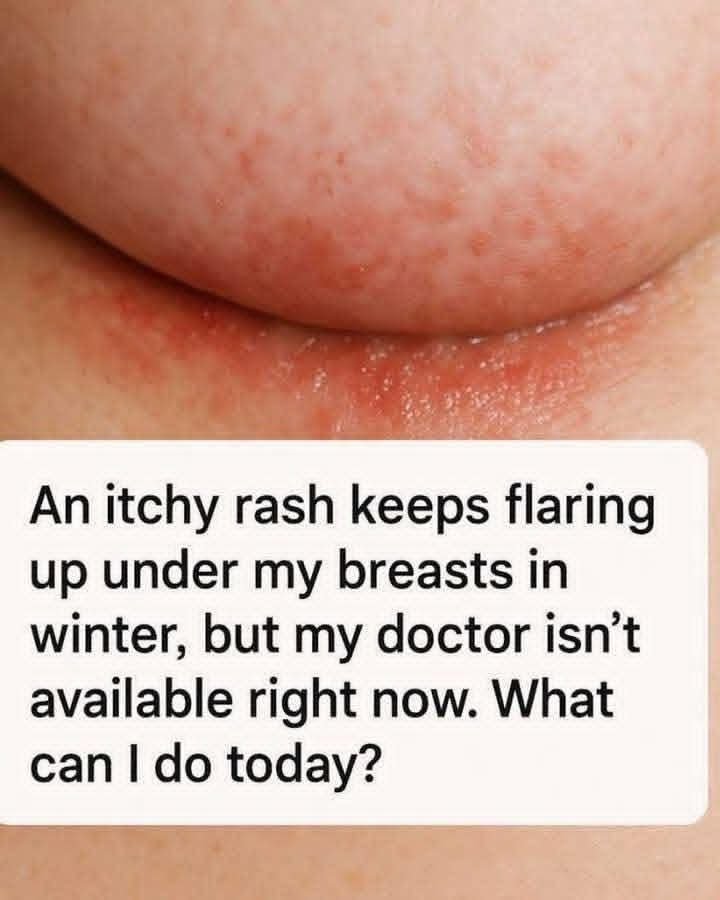
Winter can bring a host of challenges, especially for those who experience skin issues. An itchy rash under the breasts is a common concern, made worse by the cold, dry air and the use of heavy clothing that may not allow the skin to breathe. Understanding this condition and knowing how to treat it effectively can make all the difference in your comfort. In this article, we will explore the causes of itchy rashes, effective treatments, and preventive measures you can take to keep your skin healthy during winter.
## Understanding Itchy Rashes
An itchy rash under the breasts can stem from various causes, including:
### 1. **Fungal Infections**
Fungal infections thrive in warm, moist environments, making the area under the breasts a prime target. The warm, enclosed space can create conditions for yeast infections like Candida to occur.
### 2. **Contact Dermatitis**
This reaction occurs when the skin comes into contact with irritants or allergens. Laundry detergents, soaps, or even the fabric of your bra can trigger a rash.
### 3. **Dry Skin**
Winter weather often leads to decreased humidity, resulting in dry skin. This lack of moisture can cause irritation and rashes, particularly under the breasts where skin folds trap heat and sweat.
### 4. **Heat Rash**
Even during colder months, if you are exercising or wearing tight clothing for prolonged periods, you may develop heat rash. This occurs when sweat ducts become blocked and may lead to an uncomfortable, itchy rash.
### 5. **Skin Conditions**
Conditions such as eczema or psoriasis can also flare up during winter, leading to itchy patches under the breasts.
## Immediate Steps to Take
If you find yourself dealing with an itchy rash under your breasts, here are steps you can take today to alleviate discomfort:
### 1. **Cleanse the Area Gently**
Use a mild, fragrance-free soap to cleanse the affected area. This helps remove sweat, moisture, and irritants without causing additional irritation.
### 2. **Dry Thoroughly**
After washing, pat the area dry with a clean, soft towel. It’s important to ensure that the skin is completely dry, as moisture can exacerbate fungal infections.
### 3. **Apply a Barrier Cream**
Consider applying a barrier cream or ointment that contains zinc oxide or petroleum jelly to protect the skin. These creams can help keep moisture away from the skin while allowing it to heal.
### 4. **Over-the-Counter Treatments**
For fungal infections or contact dermatitis, over-the-counter antifungal creams or hydrocortisone creams can reduce itching and inflammation. Always read the label for proper use and consult a pharmacist if unsure.
## When to Seek Professional Help
While home remedies can be effective, there are times when you should seek medical advice:
### 1. **Persistent Symptoms**
If the rash does not improve with home treatment in a few days or worsens, it is wise to consult a healthcare professional.
### 2. **Severe Discomfort**
If the rash is causing significant discomfort, pain, or has signs of infection (such as pus or increased redness), seek medical attention promptly.
### 3. **Recurring Rashes**
If you frequently experience rashes under your breasts, a healthcare provider can help determine the underlying cause and recommend suitable treatments.
## Preventive Measures
Preventing itchy rashes under your breasts is crucial, especially during the winter months. Here are some tips:
### 1. **Choose Breathable Fabrics**
Select bras made from breathable, moisture-wicking materials. Cotton is a good option, as it allows the skin to breathe and helps manage moisture.
### 2. **Maintain Good Hygiene**
Regular cleansing and drying of the area can help prevent the buildup of sweat and moisture. Consider wearing moisture-wicking undershirts if you are active.
### 3. **Moisturize Regularly**
Keeping the skin under your breasts moisturized can help fight dry skin. Opt for a non-comedogenic moisturizer that won’t clog pores.
### 4. **Avoid Tight Clothing**
Avoid wearing tight-fitting bras or clothing that can chafe and irritate the skin. Opt for looser, more comfortable clothing when possible.
### 5. **Consider Allergens and Irritants**
Evaluate your laundry detergents, soaps, or any products that come into contact with your skin. Switching to hypoallergenic products may help reduce irritation.
## Conclusion
An itchy rash under the breasts during winter can be frustrating but is manageable with the right approach. By understanding the causes, implementing immediate treatments, and taking preventive measures, you can alleviate discomfort and maintain healthy skin. If symptoms persist or worsen, do not hesitate to seek professional advice. Taking these proactive steps can enhance your comfort and confidence throughout the winter season while ensuring your skin stays healthy and rash-free.